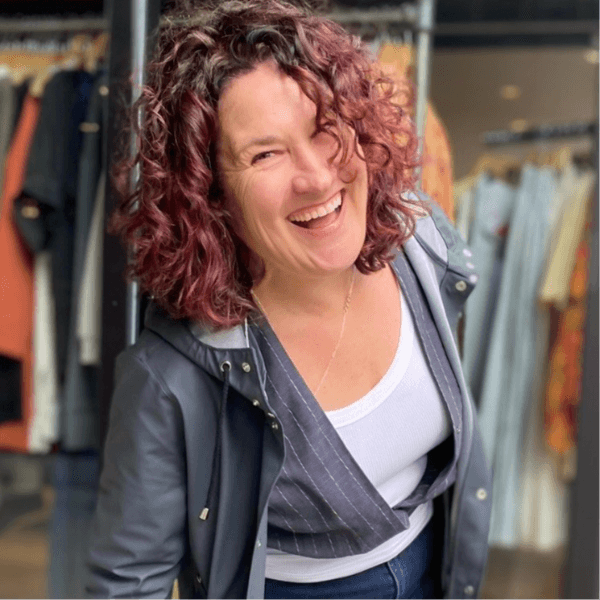
“I built a fully interconnected Life Operating System and shipped my first real app”
Before this Quest, my life was expanding faster than my systems could handle.
I was running a digital marketing consultancy, building new ideas, enrolling in advanced AI programs, and trying to hold an increasing amount of complexity in my head. I’ve always been wired for big-picture thinking — patterns, strategy, connection — but I was trying to manage every detail manually. I believed that in order to build something ambitious, I needed to learn everything first. Master the mechanics. Earn the right to create.
My systems were breaking. My cognitive load was high. And there was a quiet tension between the scale of my vision and my capacity to execute it.
I enrolled in AI Mastery because I knew AI was going to change everything — and I didn’t want to be left behind. I thought I was coming to learn tools. What I didn’t expect was that the real shift wouldn’t be technical.
It would be identity.
Somewhere in the middle of building automations that broke, navigating APIs I didn’t understand, and watching language models get stuck in circular loops, something clicked: AI has access to information. Humans hold direction.
The bottleneck is no longer knowledge. It’s orchestration.
That realization changed how I work — and how I see myself. I stopped trying to be the executor of everything and stepped into the role of the conductor. Instead of forcing my brain to hold more detail, I designed systems that hold complexity for me. I built a fully interconnected Life Operating System with nine relational databases — something I had zero experience doing before this course. I created voice-first workflows where I think out loud and my AI partner structures, prioritizes, and builds alongside me.
When models got stuck, I redirected them. When workflows broke, I widened the frame. I didn’t need to understand everything. I needed to hold the vision.
From that place, I shipped my first real application — People Keeper — a memory sidekick that helps people remember the names and details of everyday acquaintances. I initially overcomplicated it, building structured forms and trying to engineer the perfect system. Then I paused and asked a better question. AI suggested something radically simple: let users speak naturally and let the system organize it.
That moment captured everything this Quest taught me.
AI has information, not answers. The answers emerge through curious collaboration.
The biggest changes in my life aren’t just the systems or the app — though both are real and live. It’s the internal shift. I no longer believe I need to learn all the things before building bold things. I no longer try to control the “how” before committing to the “what.” I look for leverage instead of effort. I design for how my brain actually works.
My top takeaways?
Stay in the higher mind. Question assumptions earlier. And remember that the most powerful role you can play in the age of AI isn’t the worker — it’s the orchestrator.
After this Quest, I don’t feel overwhelmed by what I don’t know. I feel expanded by what’s possible. I rebuilt my foundations. I shipped real products. I became a teacher inside my cohort. But more importantly, I became someone who trusts herself to direct intelligence far greater than her own.
That shift — more than any database or automation — is the real mastery.
Karen Yoder
Founder
Portland, United States
Related Stories

"Boosting process efficiency and developing new services to better serve our customers"
Willy de Vílchez
CEO · Zaragoza, Spain, Spain
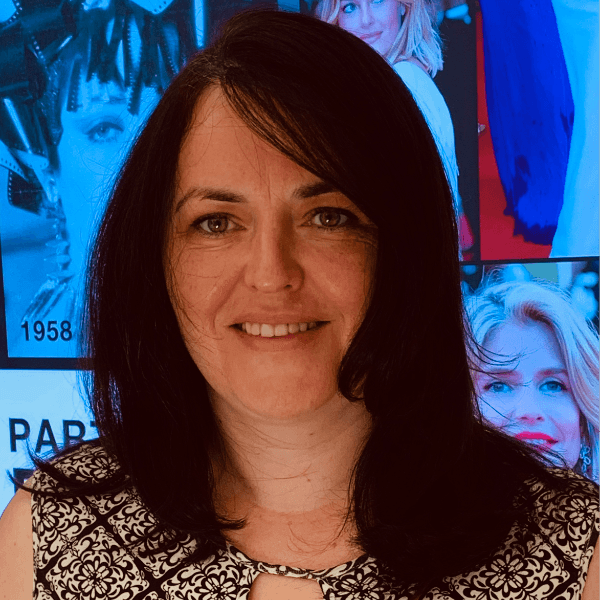
"As I’m planning to build my company. This course was a way to envision it"
Ania Moniuszko
Founder · San Francisco, United States, United States
"This course took my knowledge and skills to a whole new level. Highly recommended"
Lino Delgado
4-H Youth Development Specialist · East Honolulu, United States, United States
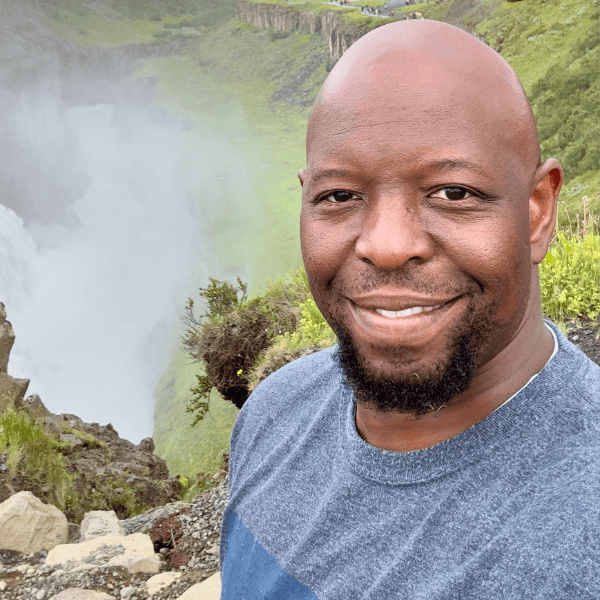
“I stopped chasing ideas and started building them—with a framework that connects everything”
Sean Baxter
Entrepreneur · Loveland, United States, United States

"20 years later, I feel up to date—and AI is now enhancing how I coach my clients”
JUAN GUILLERMO ECHEVERRI
Business Consultant · Miami, United States, United States